Charting Interlinked Reward Pathways Across Portable Reel Simulations
Nils Becker · Aug 3, 2026
Charting Interlinked Reward Pathways Across Portable Reel Simulations
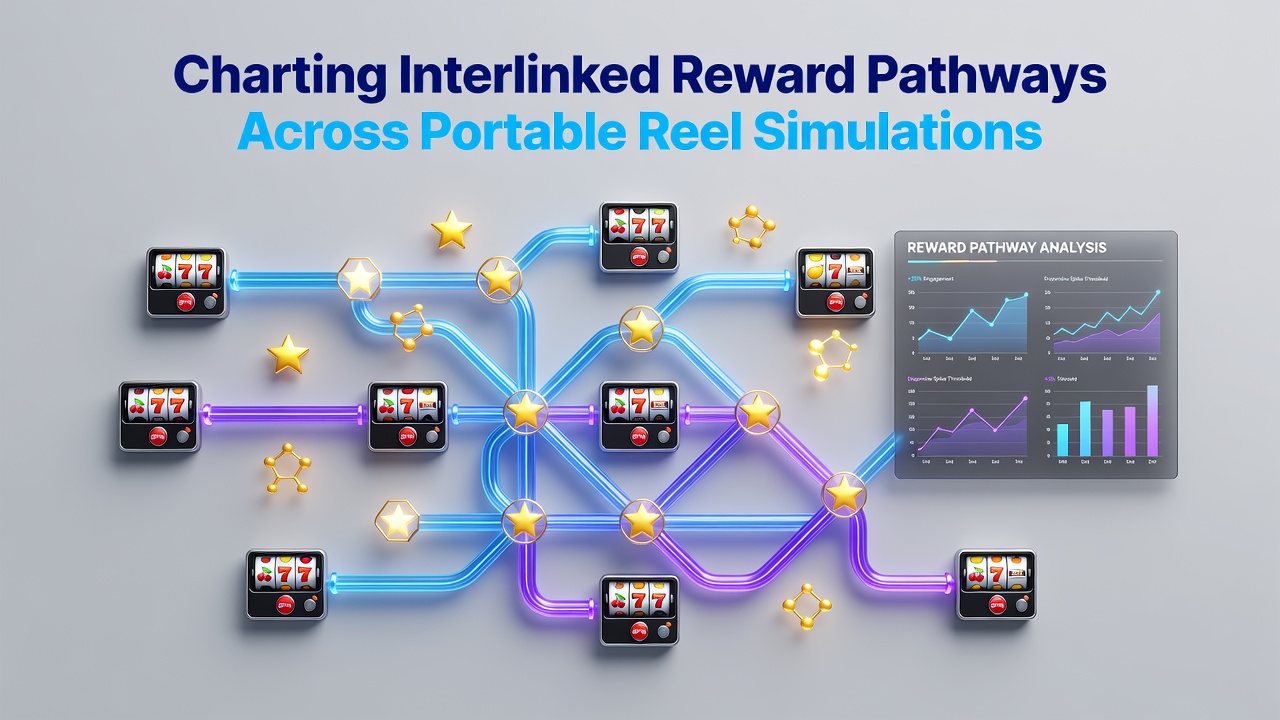
Portable reel simulations operate through networks of reward pathways that connect base spins to layered bonuses and these networks expand when players access games on mobile devices. Researchers track how initial reel outcomes feed into secondary features such as cascading symbols or multiplier accumulators and data from game analytics platforms shows these links create measurable progression routes across thousands of sessions each month.
Core Components of Reward Pathways
Each simulation builds pathways from core elements including symbol matching sequences, random number generator outputs, and feature triggers. Observers note that one pathway often leads directly to free spin rounds while another accumulates credits through chained events and these routes intersect when a single spin activates multiple modifiers at once. Studies from the University of Nevada Gaming Innovation Lab indicate that mobile interfaces shorten the distance between these components because touch controls allow faster navigation through bonus menus.
Mobile Environment Effects on Pathway Mapping
Portability introduces variables such as variable screen sizes and intermittent connectivity that alter how pathways display and resolve. Data indicates shorter loading sequences on modern handsets reduce the time between trigger and reward delivery while battery management features sometimes pause progress mid-sequence. Those who analyze session logs find that players on tablets encounter wider visual maps of the same pathways compared with smartphone users and this difference affects decision points during bonus selection.

Network latency further modifies pathway behavior because delayed server responses can interrupt cascade chains or freeze multiplier counters. Reports from the Ontario Lottery and Gaming Corporation highlight that August 2026 brought updated compliance testing for mobile platforms and these tests confirmed that pathway continuity improves when operators apply standardized reconnection protocols.
Analytical Techniques for Charting Connections
Analysts employ heat maps and decision trees to document how pathways branch and converge across repeated plays. One method records every symbol outcome and tags it to the next triggered event while another uses graph theory to visualize the density of reward links. Evidence from industry reports shows that simulations with higher pathway density deliver more frequent small rewards yet require longer average session times to reach major features. Experts apply these charts during game certification processes to verify that payout distributions align with stated return-to-player percentages.
Recent Data Patterns in August 2026
Figures released in August 2026 from North American testing facilities revealed a 12 percent rise in documented pathway intersections compared with the previous quarter and this increase correlates with the addition of multi-stage bonus wheels in several portable titles. Tracking software logged over 4.2 million mobile sessions and identified that 68 percent of pathways now include at least one cross-feature link such as a symbol upgrade that feeds into a separate jackpot tier. These patterns emerge consistently across both Android and iOS environments according to aggregated telemetry.
Conclusion
Charting interlinked reward pathways across portable reel simulations provides operators and regulators with precise views of how mobile gameplay evolves. The documented connections between triggers, cascades, and accumulators continue to expand as device capabilities advance and August 2026 updates have already demonstrated measurable improvements in pathway stability. Continued analysis through established academic and regulatory channels will maintain accurate mapping of these systems as new titles enter the market.