Device Portability Shapes Layered Bonus Accumulation in Provider-Specific Reel Systems
Bianca Reed · May 23, 2026
Device Portability Shapes Layered Bonus Accumulation in Provider-Specific Reel Systems
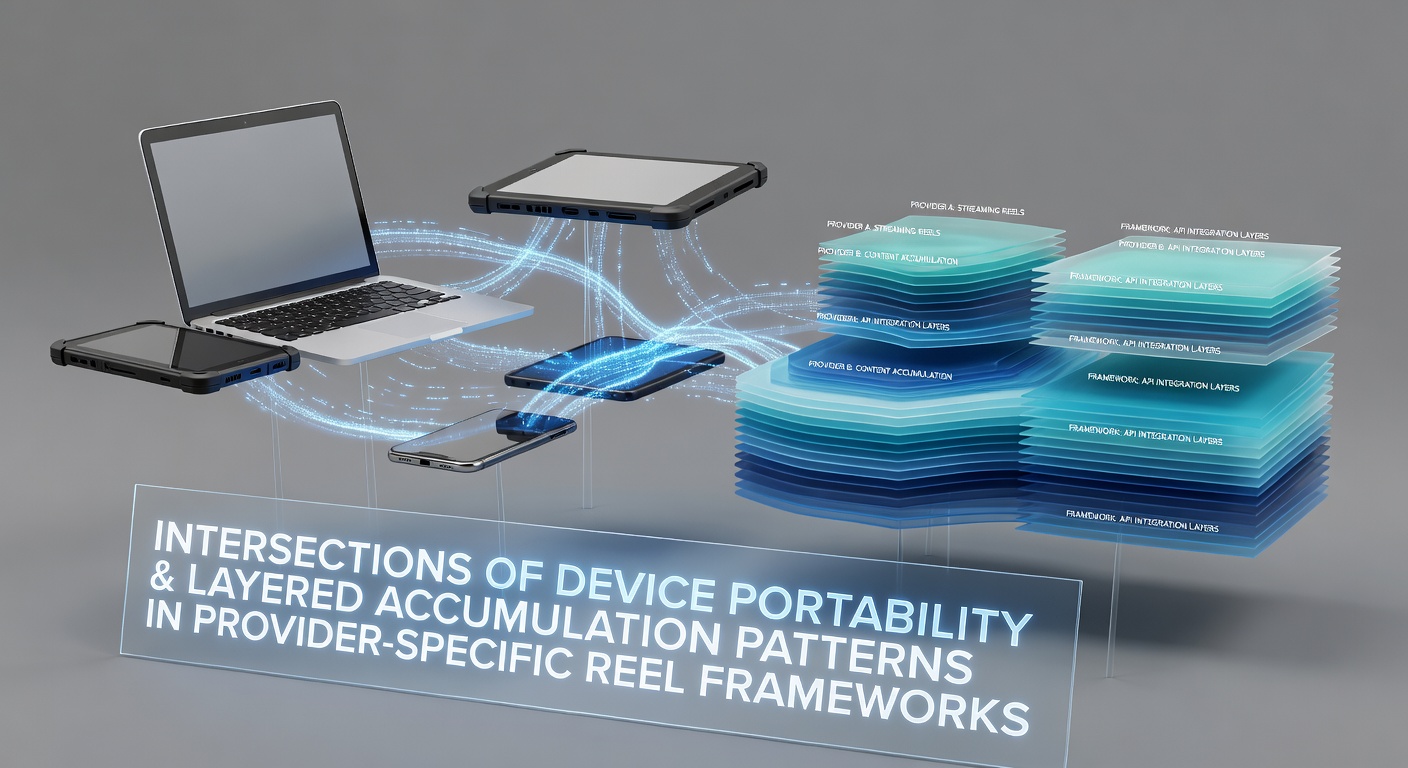
Device portability intersects with layered accumulation patterns when players access provider-specific reel frameworks across smartphones, tablets, and desktop environments, and these intersections create distinct technical requirements for bonus tracking systems. Software providers design reel frameworks that maintain consistent accumulation mechanics regardless of screen size or input method, while hardware differences influence how players interact with multi-tier rewards during extended sessions.
Core Mechanics of Portability in Reel Frameworks
Reel frameworks from individual providers incorporate synchronization protocols that preserve layered accumulation data as sessions shift between devices, and these protocols rely on server-side storage combined with client-side rendering adjustments. Mobile operating systems impose additional constraints on animation complexity and touch-based input recognition, which means accumulation indicators such as multiplier stacks or progressive meters must resize dynamically without losing precision. Research from the University of Nevada's gaming technology laboratory indicates that frame rate stability on portable devices directly affects player recognition of layered bonus triggers in real time.
Providers handle these constraints through modular code structures that separate visual rendering from core accumulation logic, and this separation allows the same reel framework to deliver identical mathematical outcomes whether accessed via cellular networks or wired connections. Data shows that session continuity rates increase when providers optimize asset loading sequences for variable bandwidth conditions common in mobile environments.
Layered Accumulation Patterns Across Provider Architectures
Layered accumulation patterns emerge when providers stack multiple bonus conditions within single reel cycles, and portability introduces variables in how these layers register during rapid play sequences. Some frameworks accumulate value through cascading symbol replacements that build multipliers progressively, whereas others layer independent feature triggers that combine only under specific symbol alignments. Observers note that portable interfaces require clearer visual separation between active layers because smaller displays reduce peripheral vision compared with larger monitors.
According to reports from the European Gaming and Betting Association, providers that maintain separate accumulation engines for each device category achieve higher consistency in bonus delivery across platforms. Those engines track individual layer states independently before merging results at the conclusion of each spin sequence, which reduces discrepancies that arise from interrupted connections or background app suspensions common on mobile devices.
Technical Integration Points in May 2026
Industry updates scheduled for May 2026 introduce enhanced cross-device handoff protocols that specifically address accumulation layer synchronization during network transitions, and these protocols target latency reductions in progressive meter updates. Several providers plan to implement predictive caching of layer states based on user movement patterns between locations, which allows portable devices to resume complex bonus sequences without recalculating prior results. Such developments build upon existing server architectures while adding device-specific verification steps that confirm layer integrity before resuming play.

Testing conducted by independent labs reveals that these handoff improvements decrease instances of partial layer loss by measurable margins, particularly in frameworks where accumulation depends on sequential symbol events spanning multiple spins. Providers that adopt the May 2026 standards gain advantages in maintaining player progress across brief interruptions typical of mobile usage.
Provider Variations in Handling Portability Constraints
Distinct providers approach portability constraints differently based on their underlying reel architectures, and these differences manifest in how layered accumulation responds to device orientation changes or input latency. One framework type prioritizes touch-optimized reel controls that allow direct manipulation of accumulation meters during feature rounds, while another relies on automated progression that minimizes player input requirements. Figures from the Australian Gambling Research Centre demonstrate that provider-specific design choices influence both session duration and layer completion frequency when players switch between portable and stationary devices mid-session.
Frameworks built around modular bonus engines accommodate portability more readily because individual layers can be toggled or simplified based on detected device capabilities, and this flexibility preserves the integrity of accumulation mathematics across environments. Those who've examined code repositories from multiple providers observe that shared libraries for accumulation logic appear more frequently in newer releases, which streamlines cross-platform consistency without sacrificing unique feature identities.
Conclusion
Device portability continues to intersect with layered accumulation patterns through ongoing refinements in provider-specific reel frameworks, and these intersections require sustained attention to synchronization protocols, visual scaling, and input adaptation. Data from multiple regions shows measurable improvements in cross-device continuity when providers align their architectures with emerging technical standards. teh patterns established through these developments shape how accumulation mechanics function across the expanding range of portable gaming hardware.