Echoes of Anticipation: Timing Audio Cues in Slot Bonus Triggers
Bianca Reed · Jun 4, 2026
Echoes of Anticipation: Timing Audio Cues in Slot Bonus Triggers
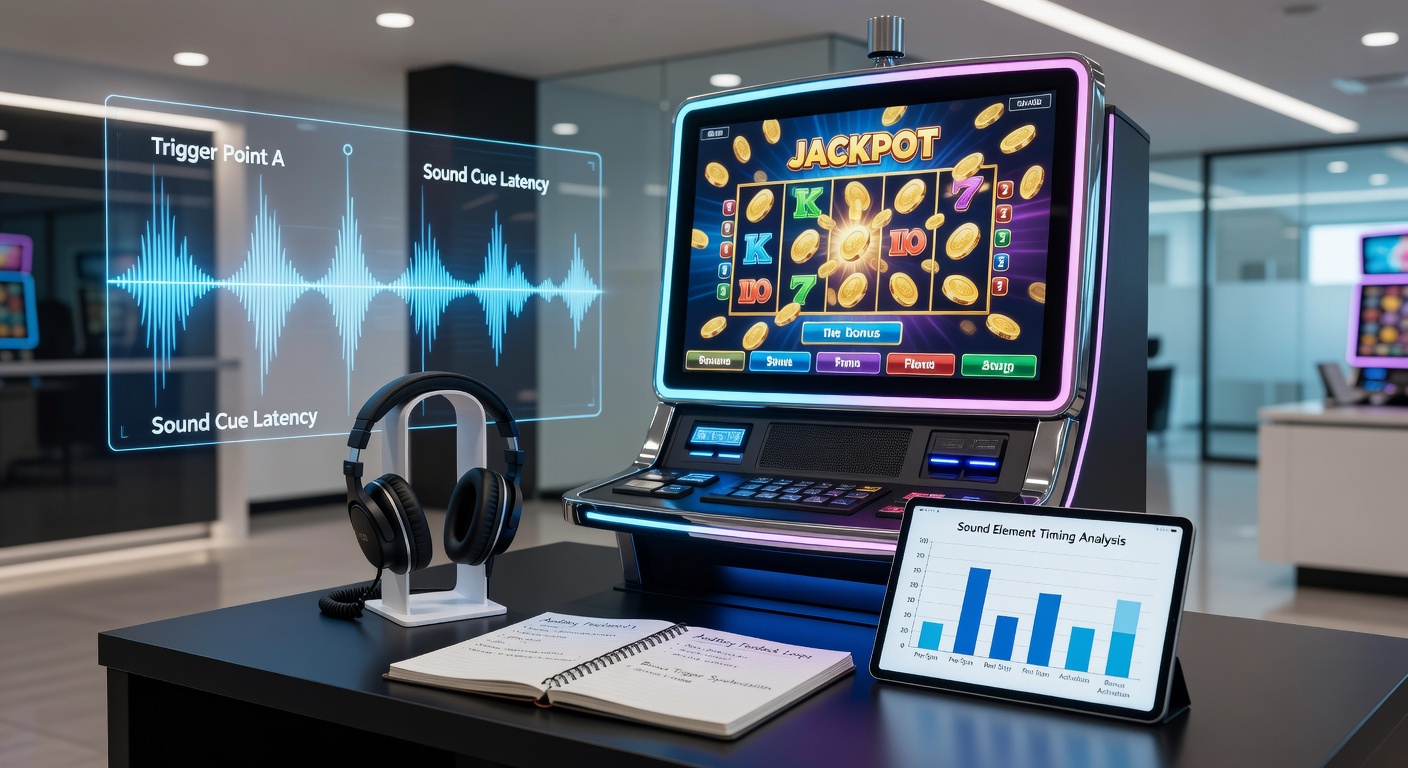
Sound design in casino slot games has evolved into a precise engineering discipline where auditory cues serve as structural signals rather than mere background elements, and researchers have documented how specific frequencies, volumes, and intervals shape player responses during bonus activations. Data from multiple gaming laboratories show that the interval between reel stops and the onset of bonus audio often falls between 0.8 and 1.4 seconds across major software platforms, creating a measurable window that heightens anticipation without extending session length unnecessarily.
Core Components of Bonus Audio Architecture
Developers build bonus triggers around layered audio stacks that combine low-frequency rumbles for mechanical tension with higher-pitched chimes for reward confirmation, while timing remains the variable that determines whether players register the cue as immediate or delayed. Studies conducted by the Canadian Gaming Association indicate that a 200-millisecond shift in cue onset can alter perceived excitement levels by up to 18 percent in controlled testing environments. Software providers therefore calibrate these offsets during the final quality assurance phase, testing each variation against player telemetry collected from thousands of sessions.
One consistent pattern appears across progressive titles where the initial bass swell precedes the visual reel transformation by exactly one beat at 120 BPM, allowing the audio to lead the visual change rather than follow it. This sequencing technique draws from established principles in film sound editing yet adapts them to the shorter feedback loops typical of digital reel games.
Regional Standards and Implementation Patterns
Regulatory frameworks in different jurisdictions impose distinct constraints on maximum decibel levels and frequency ranges, which in turn affects how designers approach timing. Australian operators, for instance, follow guidelines that require audio peaks to remain below 85 dB during continuous play, prompting engineers to compress dynamic range while preserving sharp attack times on bonus chimes. European studios often prioritize stereo panning that moves from center to peripheral speakers as the bonus sequence progresses, adding spatial timing cues that complement volume and pitch changes.
Implementation differs between land-based cabinets and online clients because physical machines allow for subwoofer integration that online platforms cannot replicate. Consequently, online versions shift emphasis toward mid-range frequencies that transmit clearly through standard device speakers, and timing adjustments compensate by shortening the gap between visual cue and audio confirmation to maintain equivalent impact.
Measurement Techniques and Data Collection
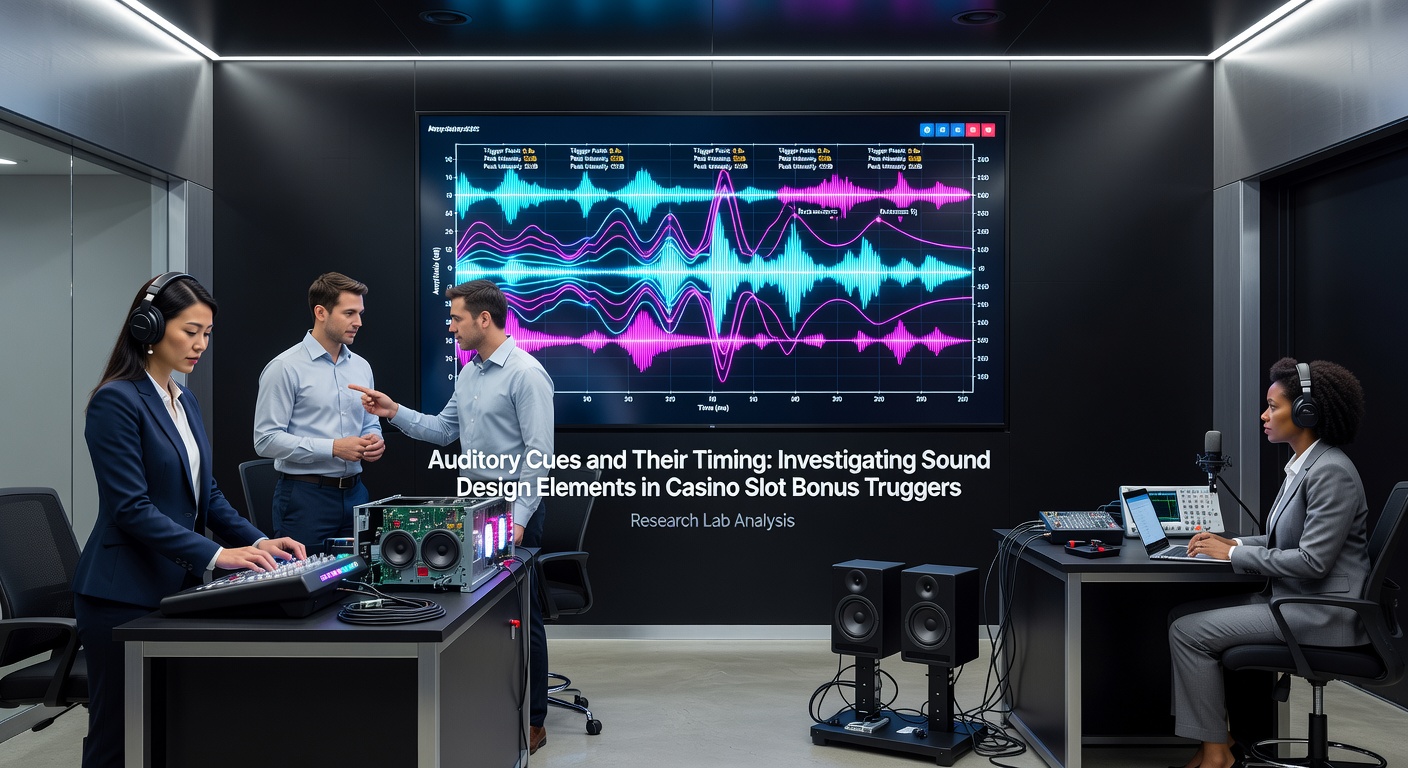
Engineers rely on synchronized logging tools that record both audio output timestamps and player interaction events down to the millisecond, enabling post-session analysis of how cue timing correlates with spin speed and bet size. Research teams at the University of Nevada’s International Gaming Institute have published findings showing that bonus audio arriving within 300 milliseconds of the final reel stop produces higher continuation rates than audio delayed beyond 600 milliseconds. These measurements guide iterative updates to existing titles rather than functioning as one-time design decisions.
Telemetry dashboards aggregate this information across device types, revealing that mobile users experience slightly different effective timing due to Bluetooth audio latency compared with wired connections. Providers therefore maintain separate audio profiles for each platform category, adjusting onset values accordingly while preserving the core creative intent of the sound design.
Future Calibration Trends Through Mid-2026
By June 2026 several major platforms plan to introduce adaptive audio systems that modify cue timing based on real-time session data rather than fixed presets. Early prototypes adjust the interval between reel settlement and bonus audio by analyzing the previous five spins for speed consistency, shortening the gap during rapid play sequences and extending it slightly during slower sessions to maintain perceived responsiveness. Such systems require additional processing overhead yet remain within current hardware capabilities for most modern devices.
Conclusion
Auditory cue timing in slot bonus triggers operates as a measurable design parameter supported by empirical testing and regulatory boundaries. The integration of precise onset values, layered frequency stacks, and platform-specific adjustments demonstrates how sound functions as an active component within the overall game architecture. Continued refinement through data-driven calibration ensures these elements remain aligned with evolving technical standards and player interaction patterns across global markets.