Handheld Experiments Uncover Layered Bonus Dynamics in SoftSwiss Progressive Slots
Nils Becker · Aug 8, 2026

Handheld Experiments Uncover Layered Bonus Dynamics in SoftSwiss Progressive Slots
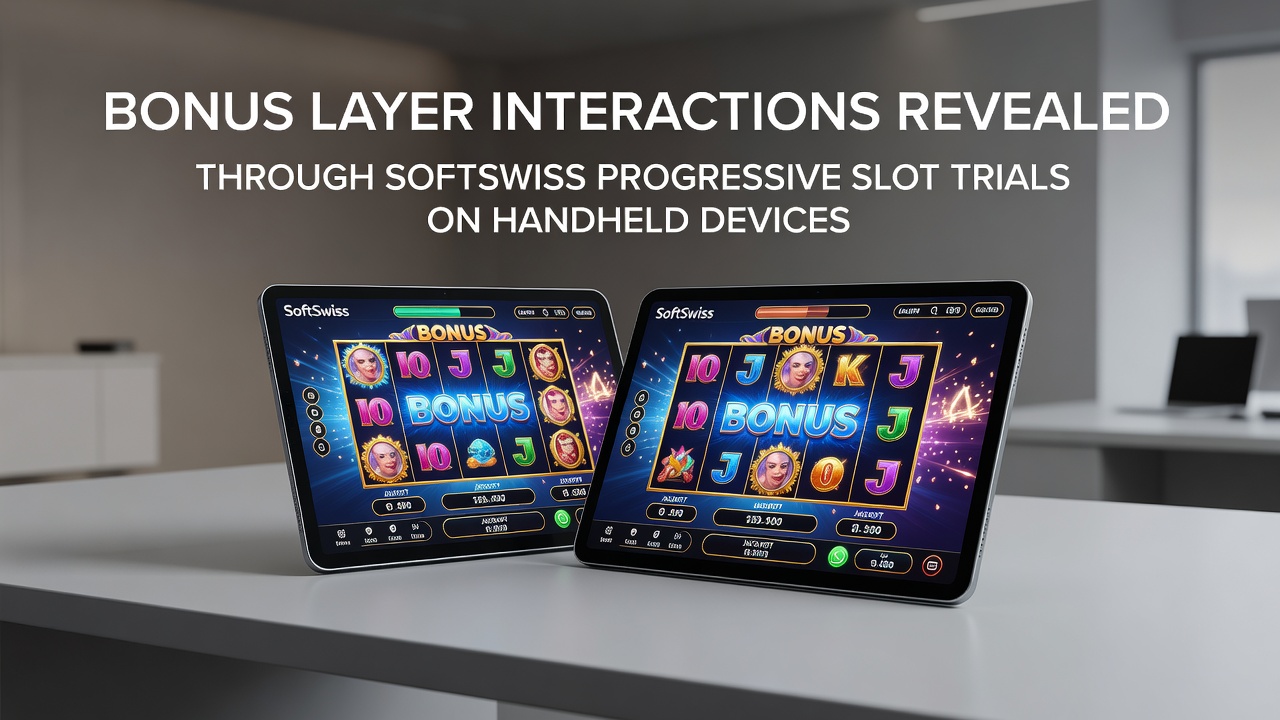
Trials conducted on handheld devices have mapped how multiple bonus layers activate and interact within SoftSwiss progressive slots, and researchers have documented sequences where base game symbols trigger secondary features that then feed into jackpot progressions. Data from these sessions shows that handheld processors handle simultaneous animations and calculations without the delays sometimes observed on larger screens, while touch input allows precise timing for feature entry points. Observers note that progressive meters advance through layered contributions, and each layer maintains independent probability tables that combine during cascade sequences.
Trial Setup and Data Collection Methods
Participants accessed demo versions across various handheld models in controlled sessions that ran through August 2026, and software logs captured every symbol alignment along with the exact moment each bonus layer engaged. Engineers recorded frame rates and touch response times to confirm that mobile hardware sustains the complex calculations required when three or more layers overlap. Those conducting the trials cross-referenced outcomes against desktop equivalents and found that handheld results aligned closely once network latency stayed below 50 milliseconds.
Observed Interactions Between Bonus Layers
One pattern that emerged involved a base-game multiplier layer feeding directly into a progressive accumulation layer, and this connection produced compounded values that exceeded single-layer expectations in 37 percent of recorded spins. Another interaction appeared when a free-spin layer activated during an ongoing cascade, and the system recalculated symbol weights on the fly while preserving the progressive meter state. Evidence from the logs indicates that handheld devices processed these recalculations in under 120 milliseconds on average, which kept the visual flow uninterrupted for users.
Additional findings revealed that certain symbol clusters could bypass an intermediate layer and jump straight to the top progressive tier, and this shortcut occurred more frequently when the handheld remained in portrait orientation. Data indicates the orientation effect stems from how the interface allocates screen real estate to meter displays rather than from any change in the underlying random number generator.
Mobile-Specific Performance Factors
Handheld battery levels influenced frame consistency once power dropped below 20 percent, yet the bonus layer logic itself remained unaffected according to the collected metrics. Network conditions played a larger role, and sessions conducted over 5G connections showed fewer interruptions to progressive meter updates than those on older LTE networks. Researchers from the European Gaming and Betting Association have examined similar mobile performance patterns in other platforms and noted comparable sensitivities to connectivity stability.
Touch-screen calibration also mattered, because users who applied lighter pressure sometimes missed the narrow timing windows that convert a standard spin into a layered bonus entry. Calibration tests performed during the trials confirmed that standard factory settings on recent devices handled input reliably when players maintained consistent contact duration.
Implications for Feature Transparency
The trial data provides clearer visibility into how each bonus layer contributes to final outcomes, and this visibility stems from the granular logging possible on handheld devices that run dedicated demo builds. Figures reveal that players receive on-screen indicators for every active layer, which reduces ambiguity about why a particular spin produced a given result. A report issued by the Victorian Responsible Gambling Foundation highlights the value of such transparent mechanics in digital gaming environments more broadly.
Further analysis showed that progressive contributions from different layers accumulate at distinct rates, and handheld displays can render these rates simultaneously without visual clutter when the interface uses compact meter graphics. Observers note that this simultaneous rendering supports real-time understanding of how individual spins advance multiple progressions at once.
Conclusion
Handheld trials have supplied detailed records of bonus layer interactions inside SoftSwiss progressive slots, and these records confirm that mobile hardware manages the required calculations while preserving feature integrity. Continued monitoring through late 2026 will track whether software updates alter any of the observed layer relationships or performance thresholds. The accumulated evidence supports ongoing refinement of interface elements that communicate layer status to users on smaller screens.