Mapping Interconnected Triggers in Mobile Progressive Reel Systems
Finley Foster · Jul 11, 2026

Mapping Interconnected Triggers in Mobile Progressive Reel Systems
Portable progressive reel simulations operate through sequences where one bonus event activates additional features without resetting the base mechanics. Research from industry reports shows these systems rely on coded pathways that link symbol combinations to multiplier escalations and jackpot pools. Data indicates the process begins when specific reel alignments occur during standard spins, then branches into secondary rounds that feed values back into the progressive meter. Developers program these interactions so that each triggered element influences the next. For instance, a wild symbol expansion might initiate a cascade sequence, which in turn unlocks a free spin mode carrying accumulated multipliers. Observers note that the portable aspect requires optimized code to maintain these chains across devices with varying screen sizes and processing speeds. Figures from technical analyses reveal that such simulations often incorporate real-time calculations to adjust jackpot contributions based on stake levels.Core Mechanics Behind Chain Reactions
Chain reactions in these simulations follow defined rules where base game outcomes determine bonus entry points. A single spin can produce multiple symbol clusters that activate simultaneously or sequentially, depending on the engine configuration. Studies of similar systems highlight how progressive elements accumulate across sessions rather than resetting after each play cycle.
Portable versions adapt these layers by compressing visual effects and reducing animation load while preserving the underlying mathematics. Those who examine the code structures find that bonus trails connect through hidden variables tracking player progression toward higher-tier rewards. Evidence suggests mobile interfaces display these connections via progressive meters that update dynamically during active chains.
Simulation Design and Mobile Adaptations
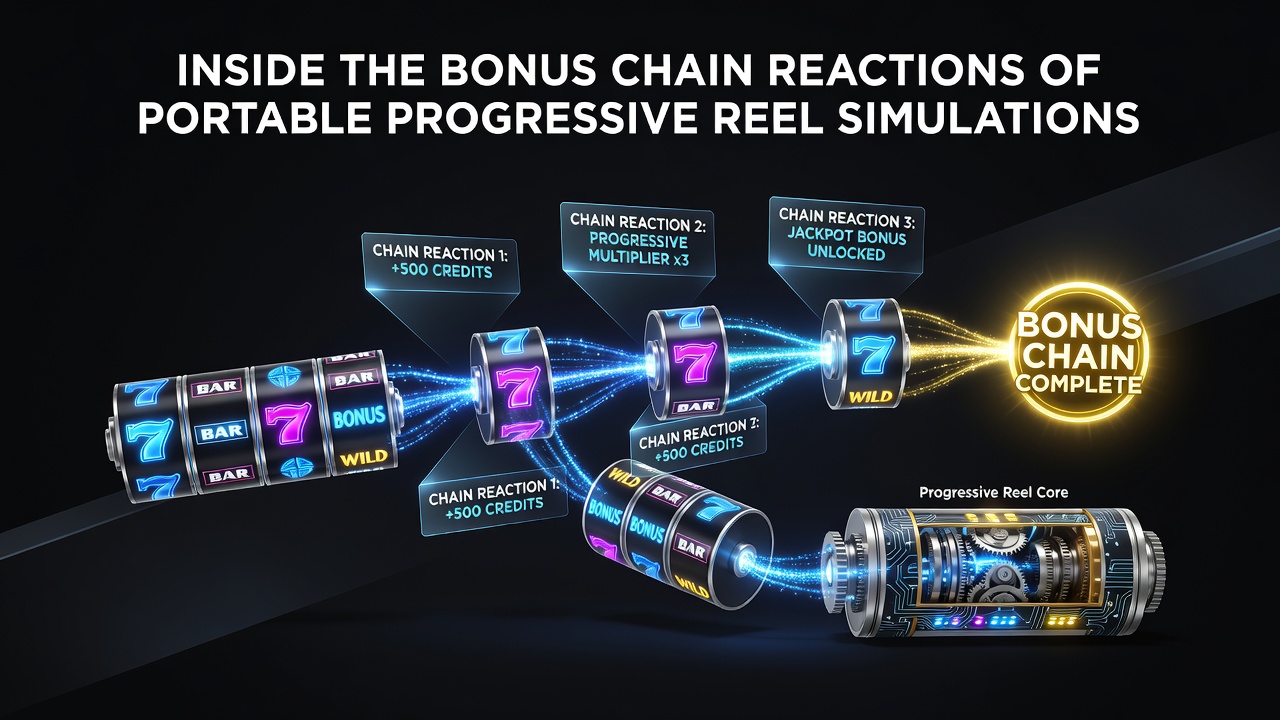
Simulation environments replicate live reel behavior to test chain stability before deployment. Engineers adjust trigger probabilities so that sequences remain balanced across thousands of test cycles. Research indicates portable formats prioritize touch-responsive inputs that allow players to navigate bonus stages without interrupting the flow of reactions.
Designers incorporate fallback mechanisms that prevent chain breaks when network latency occurs on mobile connections. Data from performance reviews shows these safeguards maintain jackpot integrity even during brief disconnections. What's interesting is how the systems log every reaction step for auditing purposes, creating traceable records of multiplier builds and feature handoffs.
Regulatory Context Around July 2026
Upcoming adjustments scheduled for July 2026 will require operators to align bonus structures with updated technical standards across multiple jurisdictions. Agencies such as the International Association of Gaming Regulators have outlined frameworks that address progressive contribution rates and feature transparency. These changes emphasize clear disclosure of how chain reactions influence prize distribution without altering core simulation logic.
Analyses from academic sources including papers published through the University of Gaming Studies examine how portable systems can incorporate compliance layers while sustaining engagement through interconnected bonuses. Observers note the July timeline coincides with broader reviews of stake mechanics that indirectly shape bonus accessibility in mobile environments.
Practical Examples of Layered Interactions
One documented case involves a simulation where three consecutive cascades feed directly into a progressive jackpot qualifier. The initial trigger activates a multiplier that compounds across subsequent stages, resulting in elevated prize tiers. Technical logs demonstrate these reactions occur within milliseconds on optimized mobile platforms.
Another configuration routes bonus entries through random modifiers that alter reel behavior mid-chain. Research shows such modifications maintain fairness by drawing from predefined probability tables rather than dynamic player data. People who review demo outputs often discover how these pathways create the appearance of escalating momentum while adhering to fixed return-to-player calculations.
Conclusion
Portable progressive reel simulations depend on precise interconnections that convert individual triggers into sustained bonus sequences. Information from regulatory bodies and technical evaluations confirms these systems continue evolving to meet both operational demands and compliance requirements ahead of July 2026. The documented mechanics provide a foundation for understanding how mobile adaptations preserve the integrity of chain reactions across diverse playing conditions.