Mapping Linked Reward Routes in Cross-Vendor Jackpot Systems for Mobile Test Environments
Avery Patterson · Jun 27, 2026
Mapping Linked Reward Routes in Cross-Vendor Jackpot Systems for Mobile Test Environments
Developers and analysts track reward structures that span several software suppliers in mobile demo platforms where progressive engines operate in simulated conditions, and these networks allow contributions from multiple game titles to feed into shared prize pools while players explore mechanics without financial risk. Data from industry reports indicate that such systems emerged prominently in the mid-2010s as providers sought ways to increase engagement across device types, and by June 2026 mobile simulation environments had become standard testing grounds for these layered connections.
Core Mechanics of Progressive Linkages
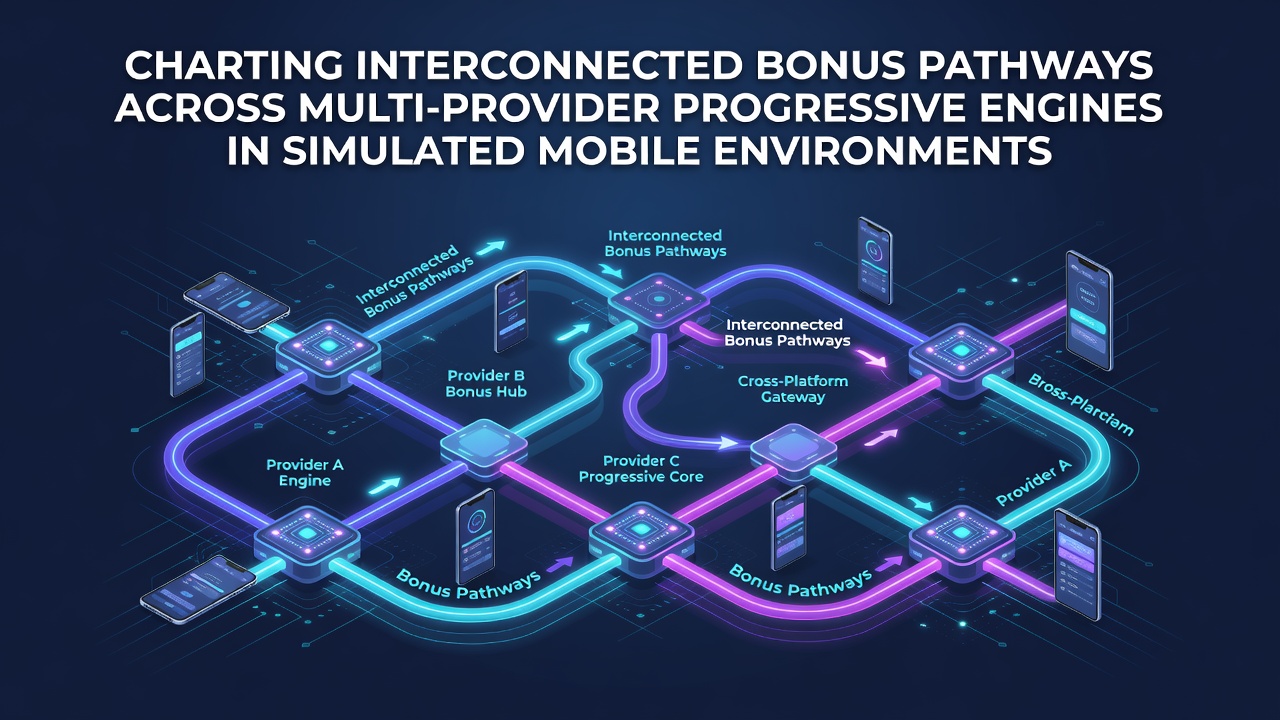
Progressive engines collect small percentages from wagers across connected titles, and when pathways link games from different vendors the contribution flows merge into unified jackpot meters that display in real time on handheld screens. Observers note that simulation modes replicate these flows exactly, so users see the same meter growth rates and trigger conditions they would encounter in live play. Researchers at academic institutions studying digital gaming interfaces have documented how these linkages rely on standardized APIs that permit data exchange between otherwise separate platforms, which enables a single bonus round in one title to influence eligibility in another from a different supplier.
Pathway Identification Techniques
Analysts use visual mapping tools to chart the routes bonuses follow from base game triggers through intermediate collection points and into final payout stages, and these maps reveal clusters where multiple providers share common collection nodes. In mobile simulations the pathways appear as highlighted sequences on screen overlays, which lets testers isolate each segment and measure response times under various network conditions. One study from a Canadian research group found that pathway complexity increases when three or more vendors participate, because each additional connection introduces new trigger variables that must synchronize across devices.
Simulation environments also expose hidden branches that only activate under specific combination sequences, such as consecutive wins across linked titles or simultaneous meter thresholds. Those who've examined these systems in detail report that mobile interfaces compress the visual representation of these branches into swipeable panels, which keeps the display uncluttered while preserving access to full pathway details.
Multi-Provider Integration Patterns
Cross-vendor setups typically follow modular architectures where each supplier maintains its own random number generator yet routes contribution data to a central clearinghouse, and this separation preserves individual game integrity while allowing collective prize accumulation. Figures from European gaming associations show that integration time for new providers into existing networks averages between four and six weeks when using established API frameworks. Mobile simulations accelerate this testing phase by replicating live data streams without requiring actual monetary transactions.
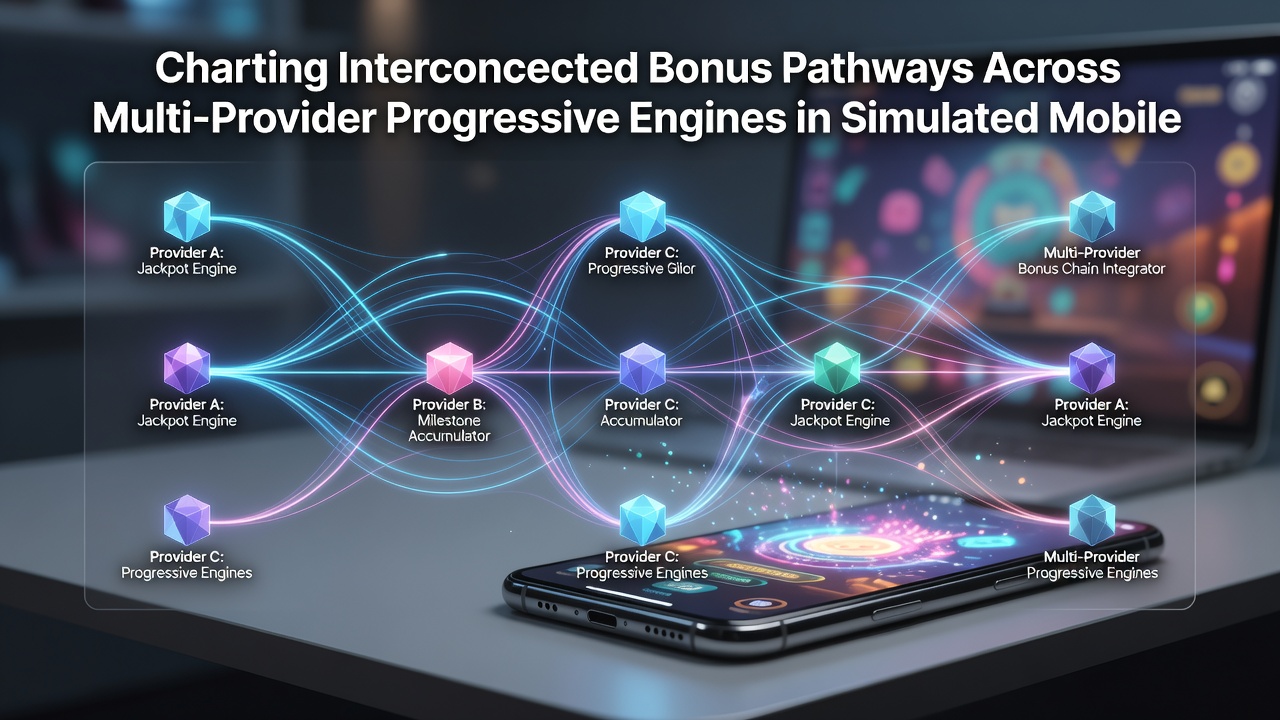
Engine synchronization occurs through timestamped packets that carry meter values and trigger flags, which ensures that a bonus initiated on one device updates shared pools visible to all connected simulations. Data shows these updates occur at sub-second intervals in modern mobile environments, reducing discrepancies that previously appeared when network latency varied. What's interesting is how providers now embed diagnostic markers within each packet that let analysts trace the exact origin of every contribution segment back to its source title.
Simulation Advantages for Pathway Analysis
Free-to-access mobile demos remove financial barriers that once limited pathway exploration, and testers can therefore cycle through thousands of trigger combinations in hours rather than days. Government agencies in Australia have referenced similar simulation tools in their regulatory reviews of digital gaming products, noting that such environments provide transparent records of bonus distribution without exposing operators to real-money compliance burdens. These records help verify that interconnected pathways distribute prizes according to published probabilities across all participating vendors.
Pathway charting also uncovers dependency chains where activation of one bonus layer alters the probability weighting of subsequent layers in linked titles. Researchers discovered that these chains often create feedback loops that accelerate meter growth during peak simulation sessions, and mobile platforms capture this acceleration through timestamp graphs that plot contribution velocity over time. Observers note that understanding these loops helps developers fine-tune engine parameters before full deployment.
Future Developments in Connected Systems
Industry organizations continue to refine the protocols that govern multi-provider linkages, with particular attention to mobile-specific constraints such as battery usage and intermittent connectivity. Reports from North American trade groups indicate ongoing work on lightweight synchronization methods that maintain accuracy even when devices switch between cellular and wireless networks. By June 2026 several suppliers had already implemented these methods in their simulation suites, allowing uninterrupted pathway tracking during extended test sessions.
Additional layers now incorporate player behavior metrics collected within the simulation itself, which feed back into pathway weighting algorithms and create dynamic adjustments that respond to observed usage patterns. Those who've studied these adjustments note they remain confined to demo environments until operators validate them against live performance data.
Conclusion
Charting interconnected bonus pathways across multi-provider progressive engines in simulated mobile environments supplies detailed visibility into how contributions merge, how triggers synchronize, and how payout sequences unfold across device boundaries. Continued refinement of these mapping techniques supports both technical verification and regulatory oversight while preserving the integrity of each participating supplier's core mechanics.